
LeanBliss Ingredients Explained (Ceylon Cinnamon, Berberine, Saffron & More)
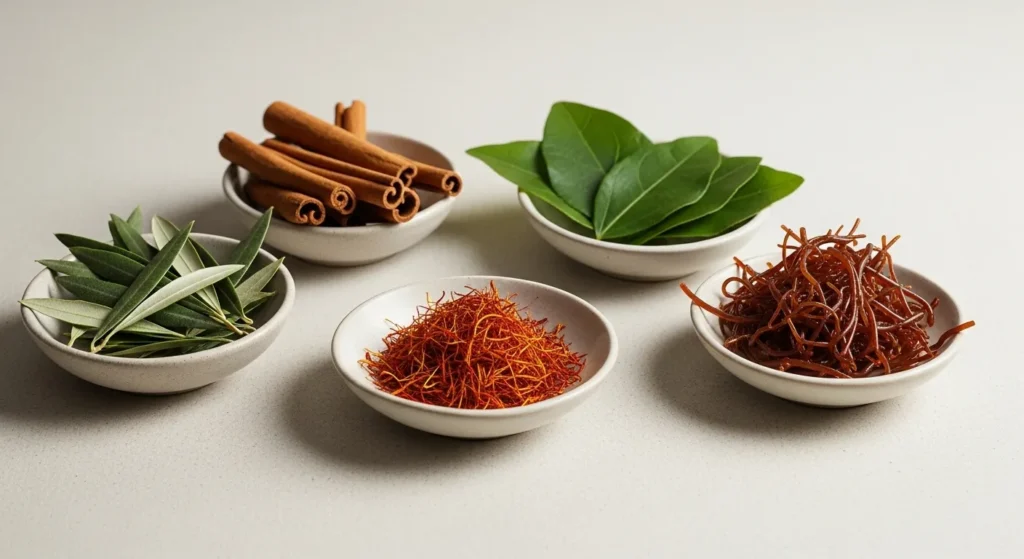
Last updated: June 23, 2026
Affiliate Disclosure: If you purchase through links on this page, we may earn a commission at no extra cost to you. This content is educational and not medical advice.
This guide explains LeanBliss ingredients in plain English. Instead of throwing dense biochemistry at you, we focus on what each component is commonly used for, how the pattern fits weight and blood sugar support goals, safety basics to consider, and a simple routine so these ingredients have a fair chance to help.
- Why ingredient literacy matters
- Ceylon Cinnamon (bark)
- Berberine
- Banaba Leaf Extract (source of corosolic acid)
- Saffron Extract
- Fucoxanthin and Fucoidan (seaweed derived)
- Olive Leaf Extract (oleuropein)
- Kudzu Flower Extract
- Citrus Compounds
- Other components you may see on the label
- How the pattern fits together
- What ingredients cannot do by themselves
- The 6 step routine that lets ingredients work
- Safety basics for ingredient stacks
- Frequently asked questions about ingredients
- Where to go next
- Bottom line
Why ingredient literacy matters
If you understand why certain botanicals are included, you can commit to a 4 to 8 week routine with more confidence. That routine, not hype, is what turns labels into visible changes: calmer appetite, fewer snack emergencies, and steadier energy.
Ceylon Cinnamon (bark)
Why it shows up: Ceylon cinnamon is widely used in metabolic-support formulas. People often associate it with support for healthy blood sugar handling and a gentler post meal arc. In practical terms, the goal is fewer abrupt swings that drive cravings.
What to look for in daily life: slightly smoother energy after carb heavy meals, less impulse to reach for sweets an hour later, easier portion control when dinner includes protein and fiber.
Berberine
Why it shows up: Berberine is a botanical frequently featured in modern weight and blood sugar support products. In research contexts, it is often discussed in relation to AMPK and cellular energy regulation.
Daily life lens: not a stimulant buzz. Think steady, deliberate decision making around food. Note that berberine can interact with medications. Always ask your clinician if you use prescription drugs or have medical conditions.
Banaba Leaf Extract (source of corosolic acid)
Why it shows up: Banaba has a long tradition in blood sugar related formulas. Corosolic acid is the component most often highlighted. It commonly appears in blends aimed at supporting glucose handling and carb comfort.
Daily life lens: fewer extremes after carb meals may translate into calmer appetite later in the day, especially when combined with protein anchors.
Saffron Extract
Why it shows up: Saffron is often discussed for appetite and mood angles. Many users report fewer comfort snack impulses when they keep a steady routine.
Daily life lens: softer evening cravings, more control over portions without white knuckling, and a calmer headspace during the typical snack windows.
Fucoxanthin and Fucoidan (seaweed derived)
Why they show up: Marine derived compounds like fucoxanthin and fucoidan are included in some metabolic support formulas. They are discussed in research contexts for body composition and cellular signaling pathways.
Daily life lens: these are not quick fix stimulants. The idea is long horizon support when paired with consistent habits: hydration, protein anchors, and short walks.
Olive Leaf Extract (oleuropein)
Why it shows up: Olive leaf, rich in oleuropein, commonly appears in cardiometabolic blends and is associated with antioxidant and anti inflammatory discussions.
Daily life lens: part of the overall pattern that favors steadier days and fewer snack emergencies when combined with good sleep and movement.
Kudzu Flower Extract
Why it shows up: Kudzu flower appears in formulas that target weight or appetite related goals. It is typically included as one piece of a multi ingredient approach rather than a stand alone fix.
Daily life lens: small support for appetite rhythm when the rest of the routine is in place.
Citrus Compounds
Why they show up: Citrus derived compounds are sometimes used for metabolic and antioxidant support angles in multi botanical blends.
Daily life lens: better meal satisfaction and less grazing when combined with protein and fiber in the plate.
Other components you may see on the label
Depending on version and delivery format, you may see sweeteners or excipients like xylitol in chewables or tablets to improve taste and texture. Always read the most current label on the official page before use.
How the pattern fits together
- Cravings control: saffron and appetite directed botanicals may help you say no more easily, especially late evening.
- Energy steadiness: cinnamon, olive leaf, and banaba are commonly positioned for a smoother post meal arc.
- Body composition support: marine derived compounds are included for long horizon goals when paired with movement and protein.
What ingredients cannot do by themselves
Even the best label cannot replace basic habits. If your dose timing shifts every day, sleep is erratic, and the house is full of trigger foods, you will get inconsistent signals. The most reliable way to notice ingredient effects is to use a stable routine for at least 4 to 8 weeks.
The 6 step routine that lets ingredients work
- Fix a daily window: dose at the same time each day, often with breakfast or lunch.
- Hydrate first: drink a tall glass of water 10 to 15 minutes before dosing.
- Protein anchors: aim for 25 to 35 g of protein per main meal.
- Short walks: add 5 to 10 minute walks after main meals.
- Evening off ramp: dim screens 60 to 90 minutes before bed to reduce snack triggers.
- 2 minute log: track cravings 0 to 10 at your worst time, wake energy 0 to 10, and a weekly waist measurement.
Safety basics for ingredient stacks
- Medical conditions or medications: talk to your clinician first, especially with glucose lowering drugs, blood thinners, or diagnosed metabolic and cardiovascular issues.
- Pregnancy or nursing: seek professional guidance before use.
- Sensitive users: start with food and earlier in the day. If allowed by the label and your clinician, consider a gradual onboarding period to gauge tolerance.
- Stop if unwell: discontinue and seek medical advice if you experience concerning symptoms.
Frequently asked questions about ingredients
Do I need to stack LeanBliss with other supplements? Not at the start. Keep the first two weeks simple so you can attribute changes. If you add other products that affect appetite or blood sugar, consult a professional.
How long should I test? Plan for 4 to 8 weeks of consistent use. Decide with data from your log, not anecdotes.
Can I take it during intermittent fasting? If your fasting is strict, place the dose at the first meal for better tolerance. Ask your clinician for personalized guidance.
Where to go next
Practical timing and routine: Dosage and How To Use
Tolerability details: Side Effects and Safety
Pricing and guarantee: Price, Discounts, and Guarantee
Common questions: LeanBliss FAQ
Bottom line
The LeanBliss ingredients pattern targets cravings, appetite rhythm, and energy steadiness so you can follow a reasonable plan. Treat the formula like a consistency tool, not a shortcut. If your log shows lower cravings and steadier mornings after 4 to 8 weeks, you will have solid evidence the routine works for you.
Leave a Reply
Related Posts